
Colorado Springs Dermatology Clinic, PC Logo / CSDERM
  • Home
  • Doctors
  • Medical
    • Mohs Surgery
    • Acne
    • Moles
    • Psoriasis
    • Rosacea
    • Skin Cancer
    • Wrinkles
    • View All – – – – >
  • Cosmetic
    • The Shoppe
    • BOTOX
    • CoolSculpting+
    • Dermal Fillers
    • Fraxel Laser
    • IPL Photofacial
    • Laser Hair Removal
    • Microneedling
    • UltraClear Laser
    • View All – – – – >
  • For Patients
  • Blog
  • Locations
  • Appointments
  • Facebook
  • Pinterest
  • YouTube

Type your search terms above and press return to see the search results.

MOHS SURGERY

MOHS SURGERY & SKIN CANCER CENTER
If you or a loved one has skin cancer, you might be a candidate for Mohs surgery at the Mohs Surgery and Skin Cancer Center at CSDERM, Colorado Springs, CO. The advantages of Mohs surgery (or Mohs micrographic surgery) include high success and patient satisfaction rates employing minimally invasive treatment techniques.
Mohs surgery is a more precise procedure than traditional excision, with the aim of minimizing the impact on healthy tissue. Of course, any medical procedure has risks, but patients should experience minimal to no side effects. Contact us today to schedule a medical consultation at either of our two locations to learn if Mohs surgery is right for you.
Mohs Surgery and Skin Cancer Center at Colorado Springs Dermatology Clinic, PC Logo

Schedule your Mohs surgery consultation today.

OUR LOCATIONS

Two convenient locations in central and north Colorado Springs


COLORADO SPRINGS CENTRAL

MOHS SURGERY

170 Parkside Dr
Colorado Springs, CO 80910

LOCATION INFO & MAP
(719) 471-1763
Dial extension 126 for Mohs Surgery

COLORADO SPRINGS NORTH

MOHS SURGERY

2060 Briargate Pkwy, Ste 150
Colorado Springs, CO 80920

LOCATION INFO & MAP
(719) 471-1763
Dial extension 426 for Mohs Surgery

MORE ABOUT MOHS SURGERY

ALL YOUR QUESTIONS ABOUT MOHS SURGERY ANSWERED HERE

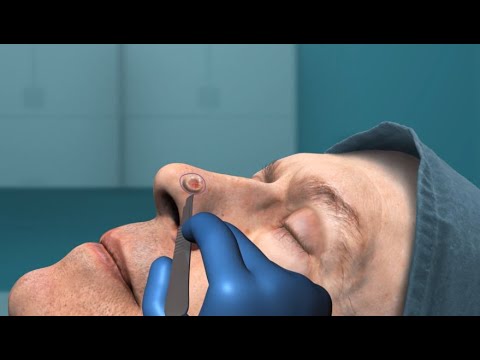
Mohs Surgery Overview Video

OUR MOHS SURGEONS

Excellence in skin cancer care

Patrick Sniezek, MD, Mohs Surgeon, Mohs Surgery and Skin Cancer Center

PATRICK SNIEZEK

MD

Patrick Sniezek, MD, is a Mohs Surgeon and the head physician for the Mohs Surgery and Skin Cancer Center at CSDERM, Colorado Springs, CO.
FULL BIO

Kendra W. Tan, MD, Dermatologist, Colorado Springs Dermatology Clinic, PC

KENDRA TAN

MD

Kendra Tan, MD, is a Mohs Surgeon and dermatologist for the Mohs Surgery and Skin Cancer Center at CSDERM, Colorado Springs, CO.

FULL BIO

THE MOHS SURGERY PROCESS

WHAT YOU CAN EXPECT

About our Mohs surgery center

We are so blessed to have a fantastic team of Mohs surgery and skin cancer care specialists right here in Colorado Springs, CO. As part of CSDERM, the largest dermatology clinic in Southern Colorado, we have access to a state-of-the-art medical facility and experienced, compassionate physicians to offer you the highest level of coordinated skin cancer care.

What does a Mohs surgeon do?

A Mohs surgeon is a specialized dermatologist who performs Mohs micrographic surgery, a precise and effective technique for removing skin cancers, particularly those located on the face, ears, and other cosmetically sensitive areas. It typically takes one to two years to complete an intensive post-residency ACMS fellowship training program.


Is Mohs surgery better?

Mohs surgery is a highly precise procedure used to remove skin cancers, particularly the two most common forms: basal cell carcinoma and squamous cell carcinoma. A form of micrographic surgery, Mohs surgery has been credited with bringing cure rates for these cancers up to an incredible 98 percent or higher, far exceeding the success rates of other treatments. Best of all, the surgery excises cancerous cells with minimal impact on healthy tissue, making it significantly more desirable than standard excision.

Benefits of Mohs surgery

Mohs surgery can save most healthy tissue by using detailed mapping techniques and microscopically examining tissue during the surgery instead of performing a biopsy afterward. Rather than simply estimating how far the cancerous cells might extend, this procedure involves the removal of one thin layer of tissue at a time, examining it immediately under a microscope for the presence of cancer cells, pinpointing the exact location of the cells, and continuing excision in that area.

What happens during the procedure?

The procedure involves the step-by-step excision of cancerous skin, followed by immediate microscopic examination to ensure complete removal of cancerous cells while preserving as much healthy tissue as possible. During the procedure, the visible skin cancer is injected with a numbing agent and removed, along with a thin layer of skin for microscopic examination. The process is repeated again and again until all margins of the final tissue sample are cancer-free, at which time the surgery is completed.

What are the risks?

Like any surgery, Mohs surgery carries some risks, though they are relatively minimal in this case. Problems can include bleeding from or into the wound, pain or tenderness at the surgical site, or infection. Once the procedure is complete, pain can be treated with pain relievers, while infections can normally be treated with oral antibiotics. Rarer complications can include numbness around the surgical area, itching or shooting pain in the affected area, or an enlarged scar, known as a keloid.


How do I prepare for the surgery?

We recommend you bathe and wash your hair the morning of the surgery to minimize the risk of infection at the surgical site. Do not wear make-up, perfume, or nail polish. You can have a normal breakfast. When you come into the office, allow some time to complete a medical history form. It’s also helpful to bring along an up-to-date list of prescription and over-the-counter medications, vitamins, and herbal products, as well as a record of previous illnesses and surgeries. You will need to get a ride to and from surgery, and it’s helpful to have someone there to sit with you in the waiting room while samples are examined.

What happens on the day of surgery?

Mohs surgery can be a long procedure, depending on the depth of the cancer cells, so your surgery will likely be scheduled for early in the day. You begin in the surgical procedure room where you’ll meet the doctor and the area around the skin cancer will be numbed with local anesthesia. The visible skin cancer will then be removed along with a thin layer of tissue, immediately mapped, coded, and sent to the lab for microscopic examination. This takes 10 to 15 minutes. You’ll then return to the waiting room. It can take one-and-a-half to two hours for each sample to be prepared and examined, and the process will be repeated until all cancers are removed.

Medications to avoid before surgery

You should continue to take any medications prescribed by your physician. However, certain over-the-counter medications need to be stopped several days before surgery because they may cause increased bleeding during surgery and prolong bleeding afterward. Please note the medications and how far in advance you will need to stop taking them.

Unless prescribed by your doctor, do not take aspirin, even a baby aspirin, or products containing aspirin for ten days before surgery. Non-steroidal anti-inflammatory products like ibuprofen and naproxen should be stopped five days before surgery, as should any vitamin supplements containing vitamin E, ginger, gingko, and garlic. Tylenol can be taken at any time before surgery. If you take warfarin (Coumadin) or Plavix, you can continue your regular dosing.

Alcoholic beverages should be avoided 48 hours before surgery, as they can promote bleeding.

What can I expect after the surgery?

There are generally only a few post-surgical problems for patients having Mohs surgery, and all of them will be discussed with you before your procedure. Any minor post-surgical pain can be treated with Tylenol; if the pain is severe, prescription pain pills may be prescribed.

Patients may experience temporary swelling around the surgical site, particularly if it is performed near the eyes. Though rare, infection may occur and is treated with antibiotics. Temporary itching in the area may also occur. Sometimes, patients experience temporary or permanent numbness around the surgical area. This is caused by cutting small nerve endings during surgery and normally resolves with time. Particularly when large tumors are involved, there may be a temporary or permanent weakness in the surgical area caused by the severing of a muscle nerve. If we feel this may be a problem in your case, we will discuss it with you before surgery. Though it’s rare to experience loss of muscle function after Mohs surgery, it may occur in a few cases.

What kind of follow-up can I expect?

All patients return about one week after surgery to check on how the area is healing and answer any questions or concerns they may have. If the doctor considers it necessary, you may be scheduled for other appointments as the healing progresses. Though not essential, schedule a follow-up visit with your referring healthcare provider. You must continue to schedule regular visits with your dermatologist to monitor your skin for any new skin cancers.

Will my insurance cover the procedure?

Most insurance plans and Medicare usually cover the cost of Mohs surgery entirely or partially. Our office will contact your insurance company about a week before your surgery to obtain prior authorization if needed. We will then call you to inform you of any copay or deductible amount you must bring on the surgery day.


HAVE MORE QUESTIONS?

Schedule an appointment to talk one-on-one with a Mohs surgeon today:

(719) 471-1763
Dial extension 126 for Mohs Surgery

The Mohs Micrographic Surgery Procedure Overview
YouTube Video


Copyright © 2025 · Colorado Springs Dermatology Clinic, PC
Privacy Policy · Terms of Use · About Us · Contact Us · Non-discrimination Notice · Patient Privacy